Buy idea-online.com ?
We are moving the project
idea-online.com .
Are you interested in purchasing the domain
idea-online.com ?
domain@kv-gmbh.de · 0541-91531010
Buy idea-online.com ?
Does negative self-reflection or self-criticism decrease after puberty?
Negative self-reflection and self-criticism can vary from individual to individual and may not necessarily decrease after puberty. While some people may become more confident and self-assured as they mature, others may continue to struggle with self-criticism. Factors such as personality, life experiences, and mental health can all play a role in how individuals perceive and criticize themselves, regardless of their age. It is important to address and work on self-criticism through self-awareness, self-compassion, and seeking support if needed, regardless of age. **
What is the connection between self-criticism and perfectionism?
Self-criticism and perfectionism are closely connected as they both involve setting high standards for oneself and being overly critical of one's own performance. Perfectionists often engage in self-criticism as they strive to meet their unrealistic standards, leading to a cycle of never feeling good enough. This constant self-criticism can also contribute to the development and maintenance of perfectionistic tendencies. Ultimately, the connection between self-criticism and perfectionism lies in the relentless pursuit of flawlessness and the tendency to be overly critical of oneself when that standard is not met. **

Similar search terms for Self-criticism
Top-Angebote
Products related to Self-criticism:
-
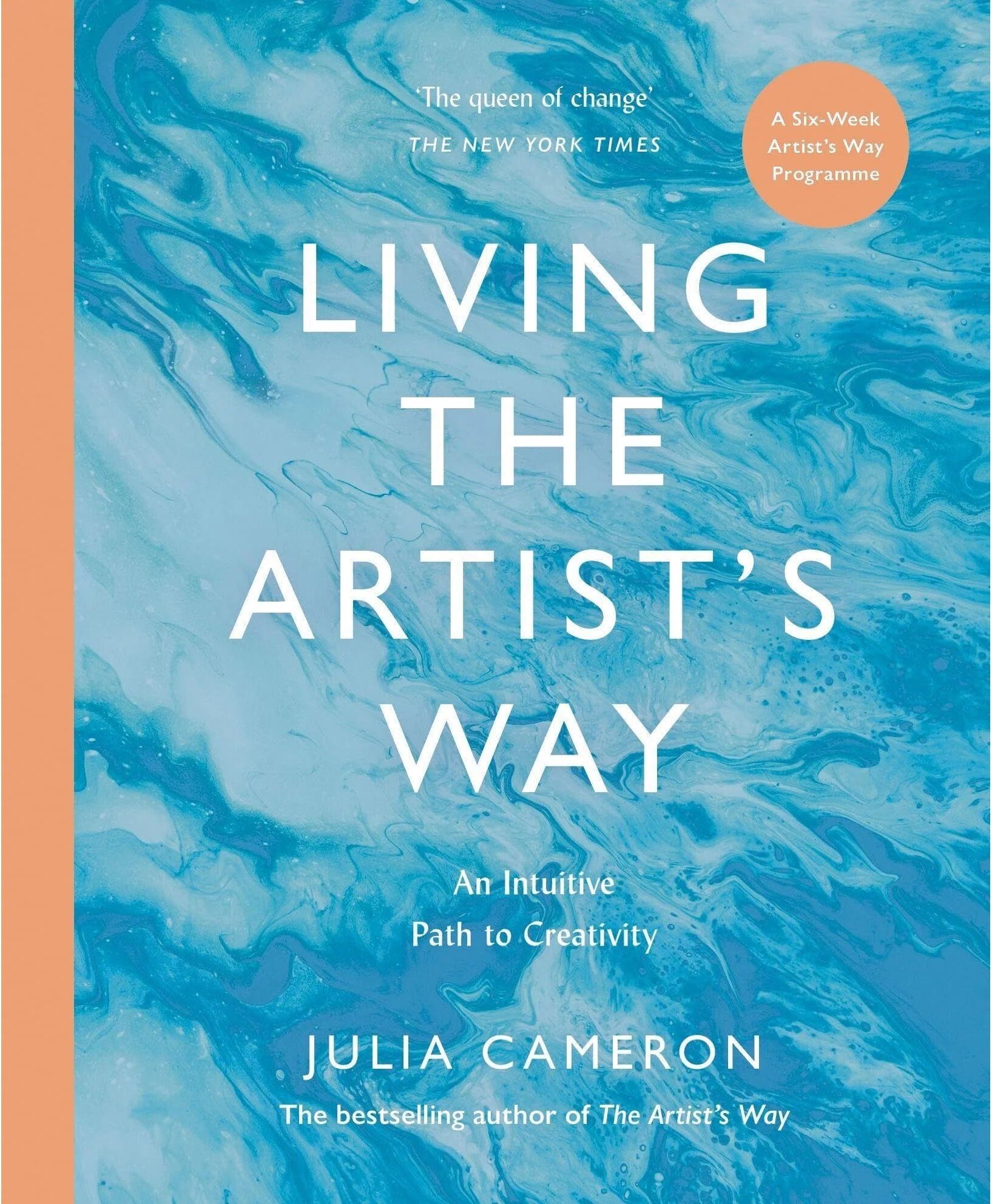
Souvenir Press Living the Artist's Way: An Intuitive Path to Creativity by Julia Cameron - Paperback Self-Help Book on Creativity & GuidanceDiscover Julia Cameron's intuitive path to creativity with Living the Artist's Way, a practical companion for anyone seeking to deepen their creative recovery and quieten self-doubt. This brand new paperback from Souvenir Press invites readers into a deeply personal exploration of how guidance, both spiritual and intuitive, can transform the creative life. Cameron's signature practices, including Morning Pages, Artist Dates, and Walks, are built upon in this six-week programme, introducing readers to Writing for Guidance as a fourth core discipline. A warm and supportive guide for anyone looking to reconnect with their creativity and overcome self-doubt, Living the Artist's Way is a must-read for anyone on a journey of creative discovery.9,99 £*Shipping: 2,99 £Secure redirect to the provider
-
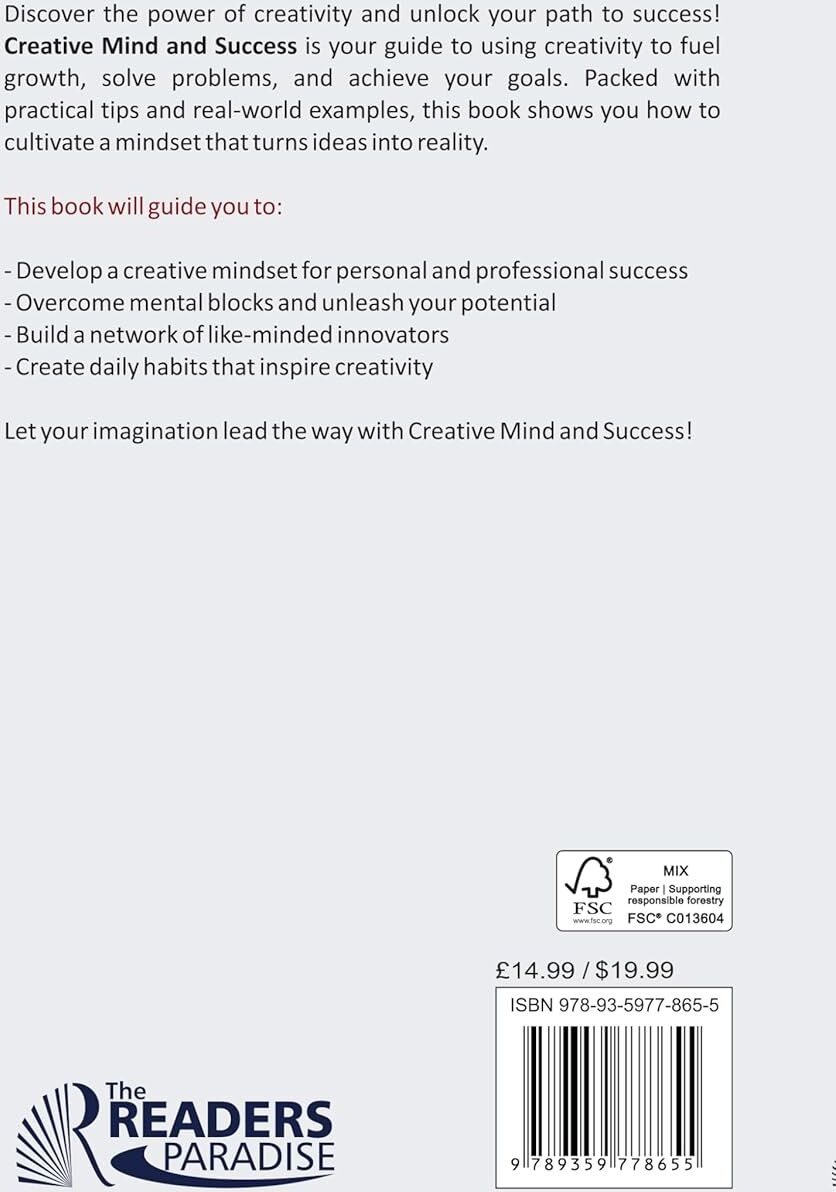
The Readers Paradise Creative Mind And Success: Self-Discovery, Exploring Creativity, and Realising Your Full Potential by Ishi Macay - Paperback Self-Help BookUnlock your creative potential with Creative Mind And Success, a practical self-help guide by Ishi Macay. This paperback book offers accessible advice and real-world examples to help you build the habits, mindset, and confidence needed to solve problems, innovate, and pursue meaningful goals. It's a down-to-earth read for anyone looking to cultivate a creative mindset, including creatives, entrepreneurs, students, and those feeling stuck in a rut. The book argues that creativity isn't a rare gift, but a skill that can be developed with the right approach. It provides practical strategies for developing a creative mindset that serves both personal and professional life, from reframing failure as feedback to designing an environment that encourages creativity.2,99 £*Shipping: 2,99 £Secure redirect to the provider
-
FOREO Imagination 100mlFOREO Imagination unique formula acts as the perfect base to your homemade face mask - so now you can make the most out of the fresh, natural ingredients from your kitchen. Formulated with Triple Infusion Complex, active nutrients are absorbed deep into the skin, feeding it from within. This antioxidant rich innovative product is enriched with Squalane and Vitamin E to help replenish fatty acids, and protect the skin from UV damage and damage caused by free radicals, leaving your skin looking and feeling healthier than ever before. Ingredients Aqua/Water/Eau, Glycerin, Cetearyl Alcohol, Caprylic/Capric Triglyceride, Cetyl Ethylhexanoate, Glyceryl Stearate, PEG-100 Stearate, Glycereth-26, Magnesium Aluminometasilicate, Dicaprylyl Carbonate, Hydroxyethyl Acrylate/Sodium Acryloyldimethyl Taurate Copolymer, Squalane, Potassium Cetyl Phosphate, Polysorbate 60, Trehalose, Hydroxyacetophenone, Pentaerythrityl Distearate, 1,2-Hexanediol, Xanthan Gum, Phospholipids, Allantoin, Panthenol, Bis-Ethoxydiglycol Cyclohexane 1,4-Dicarboxylate, Tocopheryl Acetate, Citrus Aurantium Dulcis Oil, Glycine Soja Oil, Sodium PCA, Disodium EDTA, Glycolipids, Dipotassium Glycyrrhizate, Glycine Soja Sterols, Propylene Glycol, Sodium Hyaluronate, Linoleic Acid, Glyceryl Linolenate41,99 £*Shipping: 0,00 £Secure redirect to the provider
-
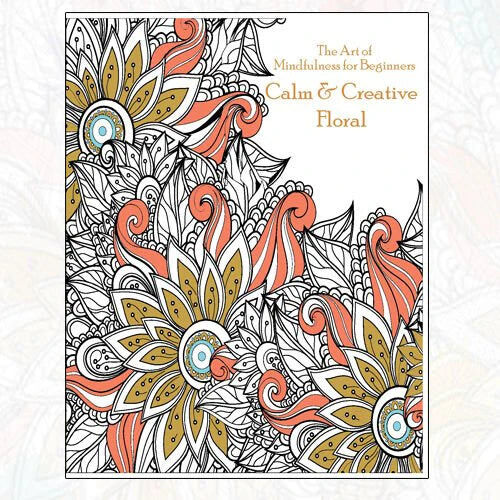
Art of Mindfulness for Beginners Calm and Creative Floral Guide - B Jain Publishing - Paperback Self-Help Mindfulness & Creativity Book for AdultsDiscover a gentle and practical guide to mindfulness for beginners, designed to help adults build a lasting habit of calm, focus, and creative expression. Combining simple mindfulness techniques with floral-themed art prompts, this book offers an accessible entry point for anyone looking to slow down, reduce stress, and reconnect with a sense of playful creativity. The book is structured around short, easy-to-follow exercises that pair mindful breathing and focused observation with floral art activities. Each section introduces a mindfulness concept, then invites the reader to explore it through a related creative prompt inspired by flowers and nature. The book is published by B Jain Publishing and features an ISBN of 9788131937792.2,49 £*Shipping: 2,99 £Secure redirect to the provider

-
How can I boost my self-confidence when criticism gets me down?
One way to boost your self-confidence when criticism gets you down is to focus on your strengths and accomplishments. Remind yourself of your past successes and the positive feedback you have received. It can also be helpful to reframe the criticism as an opportunity for growth and learning, rather than a personal attack. Additionally, surrounding yourself with supportive and encouraging people who believe in you can help boost your self-confidence and provide a source of validation. **
-
What is Kant's criticism of Aristotle's concept of happiness?
Kant criticizes Aristotle's concept of happiness by arguing that it is too focused on the pursuit of pleasure and the satisfaction of desires. Kant believes that true happiness should be based on the fulfillment of duty and the pursuit of moral virtue, rather than the pursuit of pleasure. He also criticizes Aristotle's concept of happiness for being too subjective and dependent on individual preferences, whereas Kant believes that true happiness should be based on universal moral principles. Overall, Kant's criticism of Aristotle's concept of happiness is rooted in his belief that true happiness should be based on moral duty and virtue, rather than the pursuit of pleasure. **
-
What is the criticism of the criticism of nihilism?
The criticism of nihilism is that it can lead to a sense of hopelessness and despair, as it denies the existence of any inherent meaning or value in life. Critics argue that nihilism can lead to a lack of motivation and purpose, as individuals may feel that their actions have no significance. Additionally, some critics argue that nihilism can lead to a disregard for moral and ethical values, as it rejects the idea of any objective truth or morality. Overall, the criticism of nihilism is that it can lead to a negative and destructive outlook on life. **
-
'Criticism or acceptance?'
Criticism and acceptance both have their place in our lives. Criticism can help us grow and improve by pointing out our weaknesses and areas for development. On the other hand, acceptance allows us to embrace ourselves and others as they are, fostering a sense of belonging and self-worth. It's important to strike a balance between the two, using criticism constructively to learn and grow, while also practicing acceptance to cultivate self-compassion and understanding. **

What is the meaning of direct criticism and indirect criticism?
Direct criticism is when someone openly and explicitly expresses disapproval or dissatisfaction with someone or something. It is clear and straightforward, leaving no room for interpretation. Indirect criticism, on the other hand, is when someone conveys disapproval or dissatisfaction in a more subtle or roundabout way, often through hints, sarcasm, or passive-aggressive behavior. It may not be immediately obvious that criticism is being expressed, and the recipient may need to read between the lines to understand the underlying message. **
How can one change their self-concept?
One can change their self-concept by actively challenging and changing their negative beliefs about themselves. This can be done through self-reflection, seeking therapy or counseling, and practicing self-compassion and self-acceptance. Engaging in activities that promote personal growth and self-improvement, such as learning new skills or pursuing hobbies, can also help in changing one's self-concept. Surrounding oneself with supportive and positive people who uplift and encourage them can also contribute to a more positive self-concept. **
Top-Angebote
Products related to Self-criticism:
-
Pan Make Brilliant Work: Lessons on Creativity, Innovation and Success by Rod Judkins - Paperback - Self-Help/Business Creativity Guide, Author ofMake Brilliant Work is an inspiring guide by Rod Judkins, drawing on the real-life stories of visionaries from Frida Kahlo to Steve Jobs. This paperback book reveals the methods and mindsets that turn ordinary effort into extraordinary results. Judkins proves that talent alone never guaranteed success — persistence, risk-taking and original thinking did. A motivating read for anyone wanting to unlock their creative potential at work or in life. The book profiles figures who failed at school, were told they lacked talent, or were fired more than once, yet went on to achieve great things. Written by Rod Judkins, published by Pan Macmillan, this book is a reassuring truth: you don't have to be naturally brilliant to produce brilliant work.2,99 £*Shipping: 2,99 £Secure redirect to the provider
-
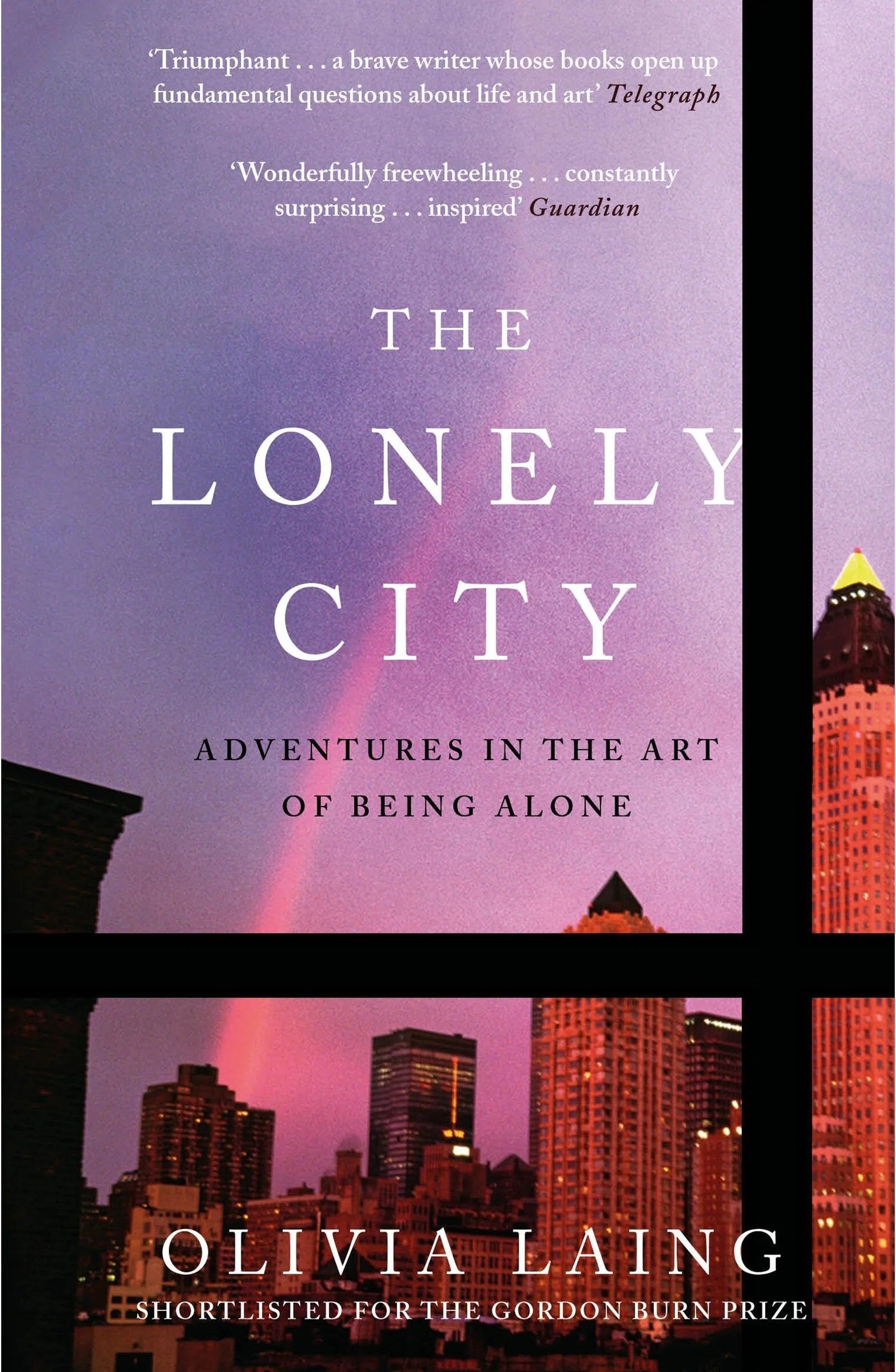
Canongate Books The Lonely City: Adventures in the Art of Being Alone by Olivia Laing - Paperback - Non-Fiction Memoir & Art Criticism -The Lonely City by Olivia Laing is a genre-defying blend of memoir, biography, and art criticism that explores urban isolation through the lives of iconic 20th-century artists. Written after Laing's own move to New York City, where she grappled with profound loneliness, the book weaves personal reflection with cultural analysis of figures such as Edward Hopper, Andy Warhol, and David Wojnarowicz. This rich read is perfect for anyone drawn to art, psychology, and modern life. Canongate Books published the book in paperback format, with the ISBN 9781782111252. It has received critical acclaim, being shortlisted for the Gordon Burn Prize and named Book of the Year by the Observer, Guardian, and Telegraph.7,99 £*Shipping: 2,99 £Secure redirect to the provider
-
Souvenir Press Living the Artist's Way: An Intuitive Path to Creativity by Julia Cameron - Paperback Self-Help Book on Creativity & GuidanceDiscover Julia Cameron's intuitive path to creativity with Living the Artist's Way, a practical companion for anyone seeking to deepen their creative recovery and quieten self-doubt. This brand new paperback from Souvenir Press invites readers into a deeply personal exploration of how guidance, both spiritual and intuitive, can transform the creative life. Cameron's signature practices, including Morning Pages, Artist Dates, and Walks, are built upon in this six-week programme, introducing readers to Writing for Guidance as a fourth core discipline. A warm and supportive guide for anyone looking to reconnect with their creativity and overcome self-doubt, Living the Artist's Way is a must-read for anyone on a journey of creative discovery.9,99 £*Shipping: 2,99 £Secure redirect to the provider
-
The Readers Paradise Creative Mind And Success: Self-Discovery, Exploring Creativity, and Realising Your Full Potential by Ishi Macay - Paperback Self-Help BookUnlock your creative potential with Creative Mind And Success, a practical self-help guide by Ishi Macay. This paperback book offers accessible advice and real-world examples to help you build the habits, mindset, and confidence needed to solve problems, innovate, and pursue meaningful goals. It's a down-to-earth read for anyone looking to cultivate a creative mindset, including creatives, entrepreneurs, students, and those feeling stuck in a rut. The book argues that creativity isn't a rare gift, but a skill that can be developed with the right approach. It provides practical strategies for developing a creative mindset that serves both personal and professional life, from reframing failure as feedback to designing an environment that encourages creativity.2,99 £*Shipping: 2,99 £Secure redirect to the provider
-
Does negative self-reflection or self-criticism decrease after puberty?
Negative self-reflection and self-criticism can vary from individual to individual and may not necessarily decrease after puberty. While some people may become more confident and self-assured as they mature, others may continue to struggle with self-criticism. Factors such as personality, life experiences, and mental health can all play a role in how individuals perceive and criticize themselves, regardless of their age. It is important to address and work on self-criticism through self-awareness, self-compassion, and seeking support if needed, regardless of age. **
-
What is the connection between self-criticism and perfectionism?
Self-criticism and perfectionism are closely connected as they both involve setting high standards for oneself and being overly critical of one's own performance. Perfectionists often engage in self-criticism as they strive to meet their unrealistic standards, leading to a cycle of never feeling good enough. This constant self-criticism can also contribute to the development and maintenance of perfectionistic tendencies. Ultimately, the connection between self-criticism and perfectionism lies in the relentless pursuit of flawlessness and the tendency to be overly critical of oneself when that standard is not met. **
-
How can I boost my self-confidence when criticism gets me down?
One way to boost your self-confidence when criticism gets you down is to focus on your strengths and accomplishments. Remind yourself of your past successes and the positive feedback you have received. It can also be helpful to reframe the criticism as an opportunity for growth and learning, rather than a personal attack. Additionally, surrounding yourself with supportive and encouraging people who believe in you can help boost your self-confidence and provide a source of validation. **
-
What is Kant's criticism of Aristotle's concept of happiness?
Kant criticizes Aristotle's concept of happiness by arguing that it is too focused on the pursuit of pleasure and the satisfaction of desires. Kant believes that true happiness should be based on the fulfillment of duty and the pursuit of moral virtue, rather than the pursuit of pleasure. He also criticizes Aristotle's concept of happiness for being too subjective and dependent on individual preferences, whereas Kant believes that true happiness should be based on universal moral principles. Overall, Kant's criticism of Aristotle's concept of happiness is rooted in his belief that true happiness should be based on moral duty and virtue, rather than the pursuit of pleasure. **
Similar search terms for Self-criticism
-
FOREO Imagination 100mlFOREO Imagination unique formula acts as the perfect base to your homemade face mask - so now you can make the most out of the fresh, natural ingredients from your kitchen. Formulated with Triple Infusion Complex, active nutrients are absorbed deep into the skin, feeding it from within. This antioxidant rich innovative product is enriched with Squalane and Vitamin E to help replenish fatty acids, and protect the skin from UV damage and damage caused by free radicals, leaving your skin looking and feeling healthier than ever before. Ingredients Aqua/Water/Eau, Glycerin, Cetearyl Alcohol, Caprylic/Capric Triglyceride, Cetyl Ethylhexanoate, Glyceryl Stearate, PEG-100 Stearate, Glycereth-26, Magnesium Aluminometasilicate, Dicaprylyl Carbonate, Hydroxyethyl Acrylate/Sodium Acryloyldimethyl Taurate Copolymer, Squalane, Potassium Cetyl Phosphate, Polysorbate 60, Trehalose, Hydroxyacetophenone, Pentaerythrityl Distearate, 1,2-Hexanediol, Xanthan Gum, Phospholipids, Allantoin, Panthenol, Bis-Ethoxydiglycol Cyclohexane 1,4-Dicarboxylate, Tocopheryl Acetate, Citrus Aurantium Dulcis Oil, Glycine Soja Oil, Sodium PCA, Disodium EDTA, Glycolipids, Dipotassium Glycyrrhizate, Glycine Soja Sterols, Propylene Glycol, Sodium Hyaluronate, Linoleic Acid, Glyceryl Linolenate41,99 £*Shipping: 0,00 £Secure redirect to the provider
-
Art of Mindfulness for Beginners Calm and Creative Floral Guide - B Jain Publishing - Paperback Self-Help Mindfulness & Creativity Book for AdultsDiscover a gentle and practical guide to mindfulness for beginners, designed to help adults build a lasting habit of calm, focus, and creative expression. Combining simple mindfulness techniques with floral-themed art prompts, this book offers an accessible entry point for anyone looking to slow down, reduce stress, and reconnect with a sense of playful creativity. The book is structured around short, easy-to-follow exercises that pair mindful breathing and focused observation with floral art activities. Each section introduces a mindfulness concept, then invites the reader to explore it through a related creative prompt inspired by flowers and nature. The book is published by B Jain Publishing and features an ISBN of 9788131937792.2,49 £*Shipping: 2,99 £Secure redirect to the provider
-
Hugo Boss The Invention of Hugo Cabret (Hardcover) - Brian Selznick2008 Caldecott Medal winnerThe groundbreaking debut novel from bookmaking pioneer, Brian Selznick!Orphan, clock keeper, and thief, Hugo lives in the walls of a busy Paris train station, where his survival depends on secrets and anonymity. But when...29,99 $*Shipping: 0,00 $Secure redirect to the provider
-
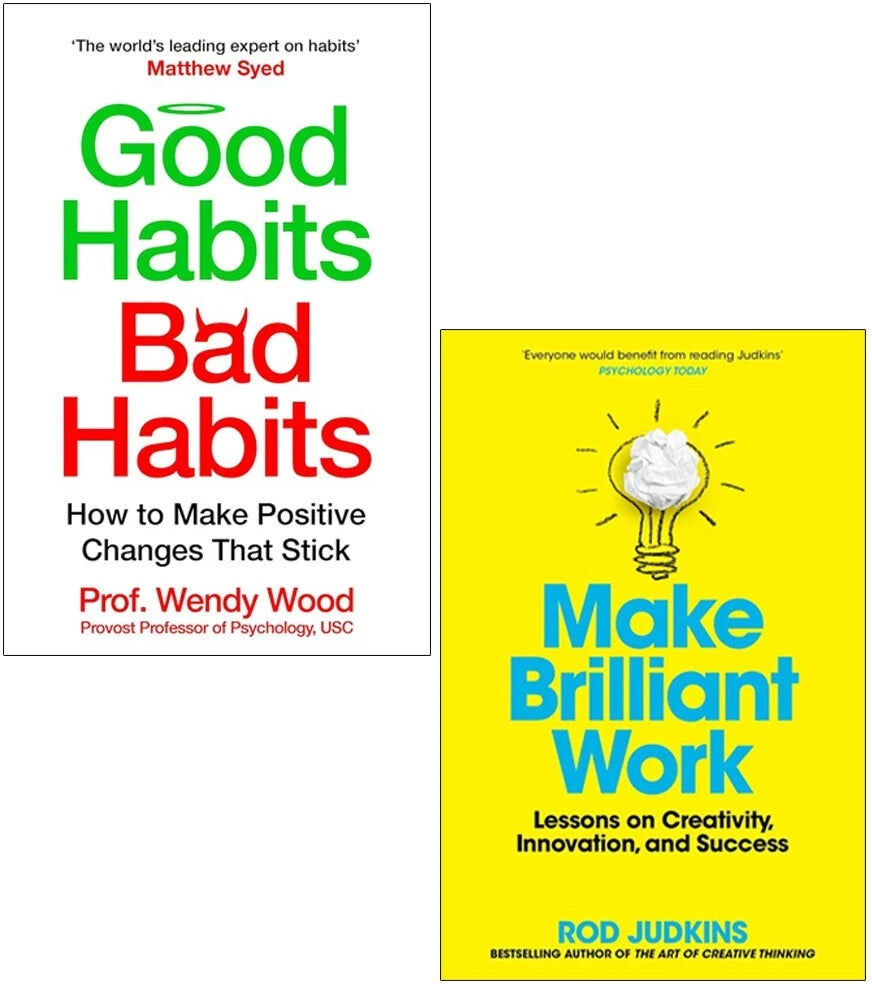
Pan Macmillan Make Brilliant Work & Good Habits, Bad Habits 2 Books Collection Set by Rod Judkins & Wendy Wood - Paperback - Self Help & CreativityThis two-book collection brings together Rod Judkins' 'Make Brilliant Work' and Wendy Wood's 'Good Habits, Bad Habits'. 'Make Brilliant Work' draws on real-life creative heroes to show that brilliant work comes from method, not talent. 'Good Habits, Bad Habits' explains why willpower fails and how lasting change happens. Together, the titles offer a rounded toolkit for thinking more creatively and acting more consistently. The books are written by Rod Judkins and Wendy Wood, respectively, and published by Pan Macmillan. They are suitable for adult readers and are available in paperback format.7,99 £*Shipping: 2,99 £Secure redirect to the provider
-
What is the criticism of the criticism of nihilism?
The criticism of nihilism is that it can lead to a sense of hopelessness and despair, as it denies the existence of any inherent meaning or value in life. Critics argue that nihilism can lead to a lack of motivation and purpose, as individuals may feel that their actions have no significance. Additionally, some critics argue that nihilism can lead to a disregard for moral and ethical values, as it rejects the idea of any objective truth or morality. Overall, the criticism of nihilism is that it can lead to a negative and destructive outlook on life. **
-
'Criticism or acceptance?'
Criticism and acceptance both have their place in our lives. Criticism can help us grow and improve by pointing out our weaknesses and areas for development. On the other hand, acceptance allows us to embrace ourselves and others as they are, fostering a sense of belonging and self-worth. It's important to strike a balance between the two, using criticism constructively to learn and grow, while also practicing acceptance to cultivate self-compassion and understanding. **
-
What is the meaning of direct criticism and indirect criticism?
Direct criticism is when someone openly and explicitly expresses disapproval or dissatisfaction with someone or something. It is clear and straightforward, leaving no room for interpretation. Indirect criticism, on the other hand, is when someone conveys disapproval or dissatisfaction in a more subtle or roundabout way, often through hints, sarcasm, or passive-aggressive behavior. It may not be immediately obvious that criticism is being expressed, and the recipient may need to read between the lines to understand the underlying message. **
-
How can one change their self-concept?
One can change their self-concept by actively challenging and changing their negative beliefs about themselves. This can be done through self-reflection, seeking therapy or counseling, and practicing self-compassion and self-acceptance. Engaging in activities that promote personal growth and self-improvement, such as learning new skills or pursuing hobbies, can also help in changing one's self-concept. Surrounding oneself with supportive and positive people who uplift and encourage them can also contribute to a more positive self-concept. **
* All prices are inclusive of VAT and, if applicable, plus shipping costs. The offer information is based on the details provided by the respective shop and is updated through automated processes. Real-time updates do not occur, so deviations can occur in individual cases. ** Note: Parts of this content were created by AI.